No one should face grief alone
Early grief support, community connection and guidance when it's needed most

We meet you where
you are

You are not alone
in this

Grief looks different for everyone

There is no right or wrong way to feel

Why Airlie Days exists
Airlie Days provides calm, compassionate support in the earliest days after a loss.
Airlie Days was created because grief can be overwhelming, especially in the days and weeks immediately following a loss.When someone dies, people are often left trying to navigate unfamiliar emotions, practical challenges, and a world that suddenly feels different. Support is not always easy to find when it is needed most.Our purpose is simple: to make sure no one has to face those early days of grief alone. Through compassionate guidance, community connection, and trusted signposting, we help people find support, understanding, and a way forward at their own pace.
Our Values

Compassion & DignityEvery person is treated with empathy, humanity, and understanding.

Empathy & UnderstandingEvery individual is met with care, kindness
and respect.

Human ConnectionWe listen and meet people where they are
in their grief.

Early SupportWe provide support when it is needed most, in the earliest days of grief.

CommunityWe bring people together in shared understanding and mutual support.
Our Trustees
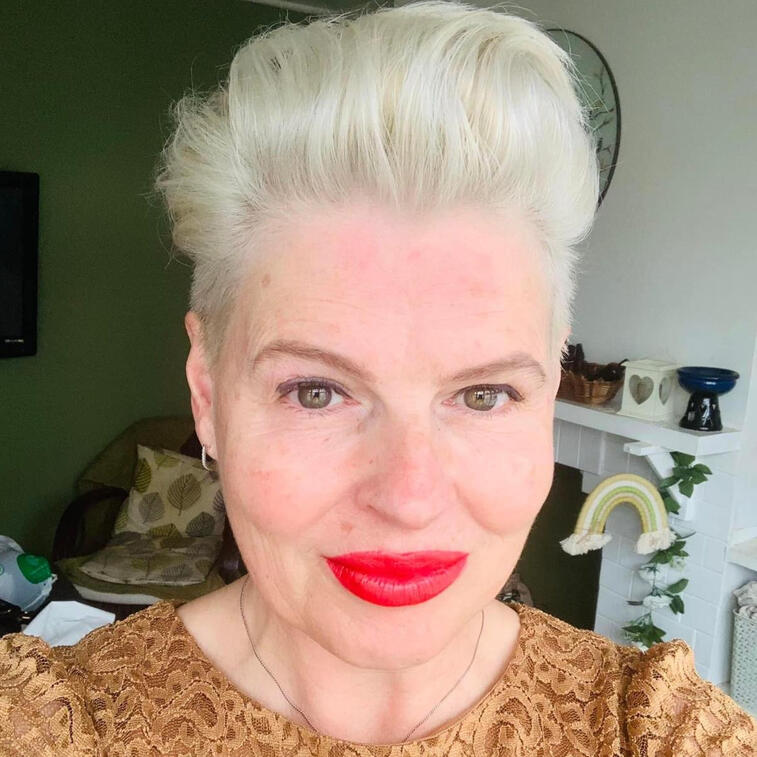
Laura WainLaura brings extensive experience in support work, social care and working alongside both children and adults. Her understanding of the care system, combined with her lived experience, gives her a practical and compassionate perspective on the challenges people face during difficult times. Laura helps Airlie Days stay rooted in real-world support, accessibility and human connection.

Grace EllisGrace is the founder of Airlie Days and brings experience across the NHS, charity work, welfare and people-focused support. With an MSc in Psychological Sciences and lived experience of grief, Grace is a passionate advocate for mental health, early intervention and making sure people are met with care during the first weeks of bereavement.
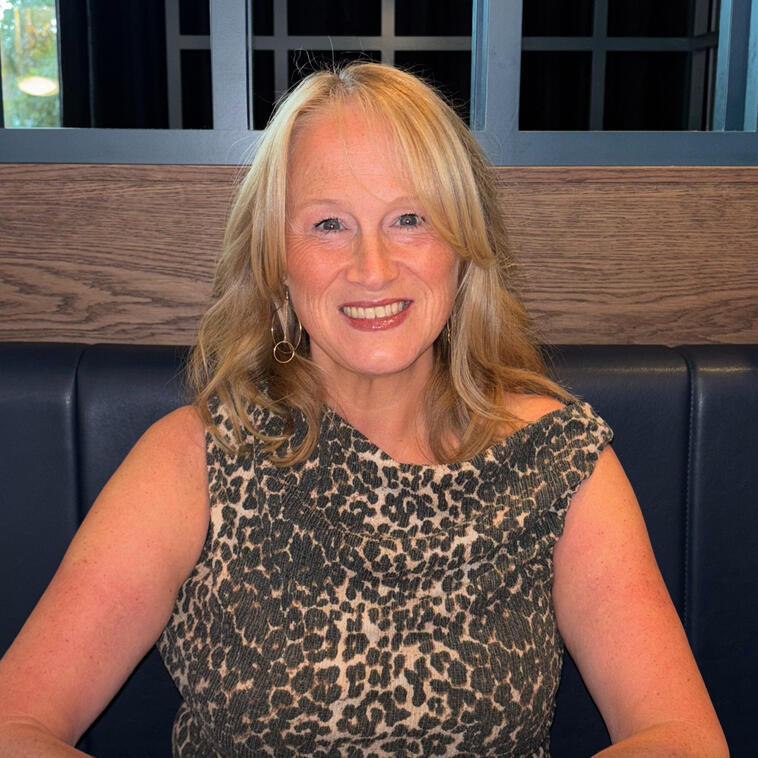
Kelly ChaterKelly is a qualified therapist with a strong interest in grief, emotional wellbeing and compassionate support. Informed by both professional training and lived experience, Kelly brings a calm, thoughtful and person-centred approach to Airlie Days, helping ensure the charity’s work remains safe, sensitive and grounded in genuine understanding.

How we support

Early grief navigation
Fully funded one-to-one sessions with a bereavement counsellor

Understanding grief
Grief education to support understanding of emotions

Gentle guidance
Support in navigating your grief at your own pace

Holistic events
Creating space for expression within the community
Apply for support
Early grief navigation sessions
Who can access this service?Our Early Grief Navigation Sessions are intended for people who have experienced a bereavement within the previous 6 months. Delivered by a professional bereavement counsellor, these one-to-one sessions provide support during the immediate period following a loss.We are currently able to offer these sessions to adults (18+) living within the United Kingdom.If your bereavement occurred more than 6 months ago, we will work with you to identify suitable sources of ongoing support, including specialist bereavement services, counselling organisations, and other partner agencies.
We will endeavour to respond to your enquiry within 24 hours of receipt via email.
Please note: Airlie Days is not a crisis support service, and we are not able to provide emergency or immediate mental health support.If you feel in crisis, feel unable to keep yourself safe, or are worried that you may harm yourself or someone else, please seek urgent help now. Call 999, go to your nearest A&E, or contact NHS 111 for urgent mental health support. If you need to speak to someone right away, you can contact Samaritans for free on 116 123, any time of day or night. You can also text SHOUT to 85258 for free, confidential text support. Please do not wait for a response from Airlie Days if you need urgent help. You deserve support immediately.

Get in touch
If you would like support or want to learn more about Airlie Days, you can complete our form below:

Our Events
Upcoming events...
Could you help us support people in the earliest days after loss?By fundraising for Airlie Days, you can help us provide calm, compassionate support to people navigating the first weeks and months after bereavement. Whether you host a coffee morning, take on a challenge, organise a raffle, run an event, or create your own fundraiser, every pound raised helps us reach someone who may be facing grief alone. Your support helps fund early grief support sessions, resources, community outreach, and gentle guidance at a time when people often do not know where to turn. No matter how big or small your idea is, we would love to hear from you. Fundraising for Airlie Days is a meaningful way to honour someone you love, bring people together, and help make sure no one has to face the first days of grief alone.Interested in fundraising for us?
Get in touch with us team and we will No matter how support you with your idea.
30th June 2026
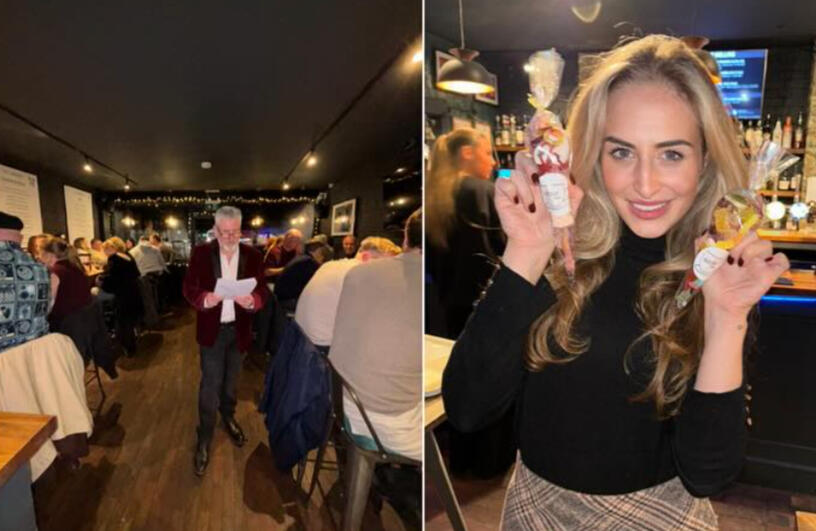
The Last Drop Inn's Summer Pub Quiz!
A huge thank you to everyone at The Last Drop Inn for hosting our Summer Pub Quiz!Locals came together for a good laugh, in competitive spirits, and generated a lot of support for a cause that means so much to us.Special thank-yous:
Jay - for being the absolute dream host and keeping us all entertained
Kelly - for writing the questions and helping pull the whole evening together (and proving she knows far more random facts than expected!)
Milly - for expertly running the raffle and keeping things moving
Laura - for collecting ticket money and bringing that angelic singing voice
Lee and the whole bar team - for fabulous service all evening!
Jordan - for capturing the fun on film (JLFilms)Between quiz entry fees, a generous £50 donation from the team and the raffle, and our winners and runners up giving back, we raised an incredible £428.30!Thank you to every person who came along, donated, bought raffle tickets, laughed with us and supported Airlie Days.
23rd May 2026
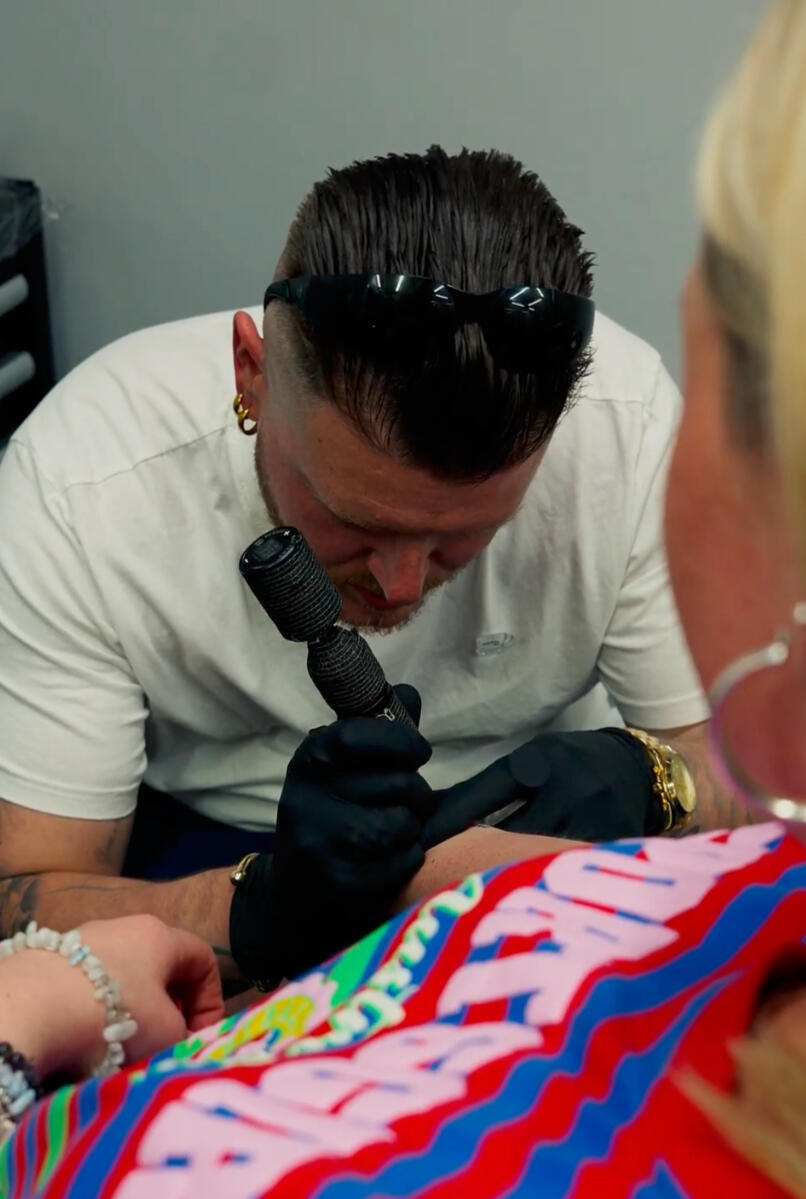
The King's Tattoos Flash Fundraiser!
On this spectacular day, we came together for Gaz's Charity Tattoo Day at Flaming Art Tattoo, in partnership with The Kings Tattoos.Throughout the fundraiser, over 25 people received memorial tattoos, each carrying a personal story, a cherished memory, or a lasting tribute to someone they had lost. Alongside the artwork, conversations were shared, connections were made, and people found space to remember loved ones in the company of others who understood.The event raised an incredible £2,800 for Airlie Days, helping us continue our mission to ensure that no one faces the first days of grief alone.We are deeply grateful to everyone who donated, took part, volunteered, and supported the event.
21st February 2026
Airlie Days Launch Party: Love Beyond Loss
We officially launched Airlie Days with Love Beyond Loss, an evening that brought people together to remember, connect, and support something bigger than all of us.Together, we raised £3,198 towards early grief support.An Airlie night to remember and the beginning of what is to come.Special thanks to Sidcup Sports Club for having us!

14th December 2025
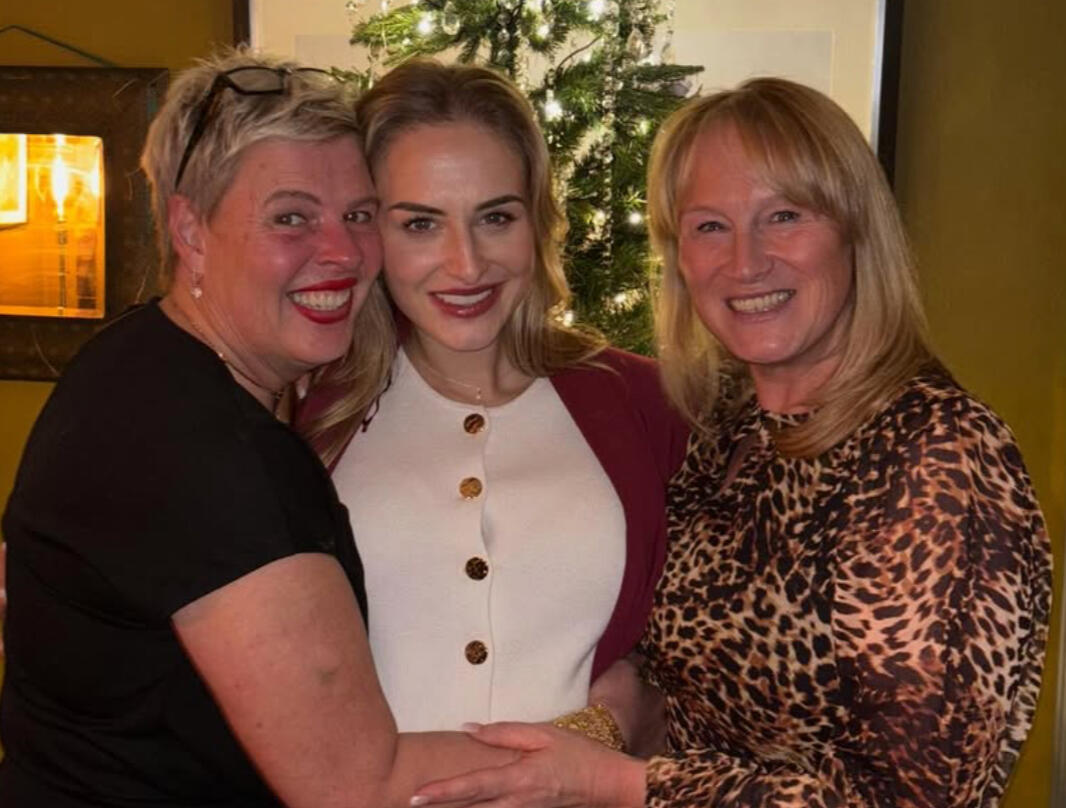
Christmas Cream Tea
Our trustee, Laura, hosted a Christmas cream tea, bringing people together to raise £350 towards our early grief support pilot.We shared a moment to remember those we love, miss, and carry with us, raising a cuppa in their memory, while also looking ahead together.Even in grief, there is kindness to give and hope to be found.
30th October 2025
Spooky Quiz Night!
Our First Event: £210 Raised for Early Grief SupportAirlie Days hosted its first ever event at The Hangar Micropub in Welling. This Halloween-themed quiz night brought people together and raised £210 towards our early grief support pilot programme.
We are incredibly grateful to everyone who attended, donated, and supported the evening.A special thank you to the local businesses who donated raffle prizes and supported our first event!
Sign up to our newsletter to stay updated on our upcoming events!

Grief Education and Resources

Why early support matters after bereavementGrief can affect every part of life, especially in the first weeks after a loss. Coping can be really tough and early support can make difference in how someone navigates their grief long-term. This article explores why early support matters, what bereaved people may need and how to support.

Supporting someone who is grievingIt can be hard to know what to say when someone is grieving. Many people stay silent because they are afraid of saying the wrong thing, but words of support can make a real difference. This article shares simple phrases that help, common phrases to avoid, and practical ways to show someone they are not alone.

How community helps griefGrief can be isolating, even when others are around. Community spaces give bereaved people the chance to be around others who understand, without needing to explain everything. This article explores how shared spaces, creative expression and gentle connection can help people feel less alone after loss.

Signposting: Finding the right supportGrief affects people differently, and support may be needed at different stages. Some people need help in the first few days after a death.
Others may feel the impact weeks or months later, once the practical arrangements have slowed down and the reality of loss begins to settle.
Why early support matters after bereavement
Bereavement is something most people will experience at some point in their lives, but that does not make it easy to face. The death of someone close can affect a person emotionally, physically, socially and practically. It can disrupt sleep, appetite, concentration, work, family life, routines and a person’s sense of stability.In 2024, there were 568,613 deaths registered in England and Wales, 62,291 in Scotland, and 18,050 in Northern Ireland. Each death leaves behind family members, friends, colleagues and communities who may be affected by grief in different ways.
For some people, support comes naturally through family, friends or community. For others, grief can feel isolating. The UK Commission on Bereavement found that over 40% of adults who wanted formal bereavement support did not receive any. It also found that 37% of respondents did not know how to access support, and 33% said no support was available. That gap is why early support matters.The first weeks can be the hardest to navigate. The early stage of grief often comes with shock, confusion and practical pressure. A person may be trying to process what has happened while also dealing with funeral arrangements, paperwork, family responsibilities, work, money, housing or caring responsibilities.Grief does not happen in a neat order. People may feel sadness, numbness, anger, guilt, anxiety, relief, disbelief, exhaustion or a mixture of everything at once. The NHS recognises that grief can affect people in different ways, and that support is available when grief, stress, anxiety or depression feel difficult to cope with.Early support does not remove grief. It gives someone somewhere safe to place it.Bereavement is emotional, but it is also practicalOne of the reasons bereavement can become overwhelming is that it is not only about feelings. After someone dies, there are often immediate tasks and decisions that have to be handled at a time when the person may feel least able to deal with them.The UK Commission on Bereavement found that 61% of adult respondents had difficulty with at least one practical or administrative task following bereavement. It also found that 28% received no support from family, and 46% received no support from friends after their bereavement.This matters because early grief can already feel disorientating. When someone is also facing paperwork, appointments, family conversations, financial worries or uncertainty about what happens next, the pressure can become heavier.Early bereavement support can help people feel less alone while they begin to understand what they need emotionally and practically.What early bereavement support can offerEarly support should not rush, pressure or “fix” someone. It should create a steady space where grief can be acknowledged without judgment.Support may help someone to:- Understand that their grief response is normal.- Talk about what has happened in a safe and confidential space.- Feel less isolated during the first weeks after loss.- Recognise what they need emotionally, practically and socially.- Find language for feelings that may feel confusing or frightening.- Access further support if their grief becomes too difficult to manage alone.- Begin to rebuild small routines without feeling pushed to “move on”.At Airlie Days, our focus is on providing gentle one-to-one support within the first 12 weeks of bereavement. This is often a period where people are still trying to make sense of what has happened, while the world around them expects them to carry on.
When someone may need extra supportThere is no single correct way to grieve, but some signs may suggest that a person would benefit from additional support.They may need support if they:- Feel unable to talk to family or friends.- Feel isolated or unsupported.- Are struggling with sleep, food, routine or daily tasks.- Feel overwhelmed by paperwork or practical decisions.- Feel intense guilt, anger, fear or anxiety.- Are avoiding reminders of the person who died.- Feel pressure to “be strong” for everyone else.- Do not know where to turn.- Are supporting children or other family members while grieving themselves.Not everyone will need counselling, but many people benefit from having someone steady, kind and trained to talk to during the early stages. Small gestures that can help someone who is grieving.People often worry about saying or doing the wrong thing. Because of this, they may say nothing at all. But silence can make grief feel even lonelier.Helpful gestures do not need to be grand. Often, the smallest practical acts are the ones that matter most.You could:- Send a simple message saying, “I’m thinking of you today.”- Drop off food without expecting them to host or talk.- Offer to help with a specific task, such as shopping, school runs, lifts or paperwork.- Remember important dates, such as the funeral date, birthday or anniversary.- Say the name of the person who died.- Invite them for a walk, coffee or quiet company.- Check in again after the funeral, when support often fades.- Ask, “Would you like advice, distraction, or just someone to listen?”- Offer to sit with them while they make a difficult phone call.- Send a card weeks later, not just immediately after the death.The best support is often simple, consistent and pressure-free.Why early support can change the experience of griefEarly support cannot take away the pain of bereavement but it can reduce the loneliness around it.It can help someone understand that their reactions are not “wrong”. It can give them space to speak honestly. It can help them feel held during a period that may otherwise feel chaotic and unsupported.Bereavement can also affect children and young people. Child Bereavement UK estimates that 46,300 dependent children are bereaved of a parent each year in the UK, and that 1 in 29 children aged five to sixteen has been bereaved of a parent or sibling.These figures show why bereavement support is not a niche issue. It affects families, schools, workplaces and communities.How Airlie Days helpsAirlie Days can provide early one-to-one bereavement support for people in the first 12 weeks after loss.Our aim is to offer a calm, safe and compassionate space where people can talk, be heard, and begin to understand what they are experiencing. We do not rush grief. We do not expect people to be strong. We do not treat grief as something to “get over”.We provide 1-1 professional support at a time when people may feel most vulnerable, uncertain and alone because grief is already hard enough.No one should have to face the first days of loss without care, connection and somewhere safe to turn.

How Community Helps Grief
Grief can be one of the loneliest experiences a person goes through. Even when family, friends or colleagues are present, many bereaved people can still feel isolated, misunderstood or unsure where they belong after a loss. This is one of the reasons community matters.Community does not take grief away. It does not replace professional support, counselling or the personal process of mourning. But it can offer something deeply important: a safe space where people can feel less alone. For many people, grief becomes harder when it is carried in silence. Shared spaces, gentle conversation, creative expression and remembrance activities can help people connect with others who understand, without needing to explain every detail.
Grief and isolationBereavement often changes a person’s relationship with the world around them. Normal routines can feel different. Social events can feel difficult. People may avoid talking about the person who died because they are afraid of upsetting others, or because they feel others expect them to “move forward”.Research carried out during the pandemic found that 67% of survey respondents experienced social isolation and loneliness after bereavement. Almost half also reported they had not been given information about bereavement support services.The UK Commission on Bereavement also found significant gaps in support. More than 40% of adults who wanted formal bereavement support did not receive it. Another evidence submission linked to the Commission reported that 28% of adults received no support from family after bereavement, and 46% received no support from friends.These figures show why community-based support is so important. Not everyone has a strong support network. Not everyone feels able to ask for help. Not everyone knows where to turn.Why being with others can helpCommunity helps grief because it creates connection at a time when people can feel cut off from normal life.Being around others who understand grief can reduce the pressure to explain, perform or pretend. In a supportive group, people do not have to justify why they are still sad, why certain dates feel difficult, or why their emotions change from one day to the next.A helpful community space can offer:- A sense of belonging.- A safe place to talk or simply listen.- Gentle routine and structure.- Shared understanding.- Permission to remember the person who died.- A break from isolation.- A way to reconnect with life without feeling rushed.For some people, the most helpful part of community support is not talking in detail. It is simply being in a room where grief is allowed to exist.The role of creative expressionGrief is not always easy to put into words. Some people find it difficult to speak openly about their loss, especially in the early stages. Creative activities can give people another way to express what they are carrying.Writing, collage, journaling, art, memory-making and shared creative activities can help people explore emotions without needing to explain everything out loud. Evidence reviews around creativity and wellbeing suggest that creative activities can support personal and relational wellbeing, especially when they are offered in safe, inclusive environments with choice and skilled facilitation.Research into writing and grief has also explored how structured writing can be used as a flexible tool during the grief process. Group-based art and narrative therapy research has also explored how creative group spaces may support people experiencing grief and bereavement.This does not mean every creative activity is therapy. It means creativity can give grief somewhere to go.
Practical gestures that help build community around griefSupporting someone who is grieving does not always require big words. Often, it is the small, consistent gestures that help someone feel held by their community.Helpful gestures include:Checking in after the funeral, when support often fades.Inviting someone to a gentle activity without pressure.Remembering birthdays, anniversaries and difficult dates.Offering practical help, such as lifts, meals, shopping or childcare.Saying the name of the person who died.Sending a message that does not require a reply.Making space for both sadness and ordinary conversation.Offering quiet company.Helping someone attend a support group or community session.Asking, “Would you like to talk, be distracted, or just have company?”Community support works best when it is steady, simple and pressure-free.What a safe grief community should feel likeA good grief community should never force people to speak, share or heal in a particular way. It should not turn grief into performance. It should not expect people to be inspirational, strong or positive.A safe grief space should be:- Gentle- Confidential- Inclusive- Non-judgmental- Calmly facilitated- Clear about boundaries- Respectful of different grief experiences- Able to signpost people to further support when neededThis is especially important for creative grief spaces. A junk journaling session can be warm, supportive and meaningful, but it should still be held with care. People may arrive with different emotions, different losses and different levels of vulnerability.The aim is not to fix grief. The aim is to create somewhere safe for grief to be acknowledged.Why community matters for Airlie DaysAirlie Days exists because early support matters but support does not only happen in one-to-one conversations. It can also happen around a table, over a cup of coffee, through shared creativity, or in a room where people feel understood.Community helps grief because it reminds people that they are not alone. It gives people a place to return to, allowing remembrance to be shared. It creates connection during a time that can feel deeply isolating.Through initiatives such as junk journaling, Airlie Days can offer bereaved people a gentle way to connect, create and remember. These spaces can help people feel part of something at a time when grief may have made the world feel smaller.Grief is personal, but it does not have to be private. Sometimes, healing begins with a table, a journal, a shared silence, and the quiet knowledge that someone else understands.

Supporting someone who is grieving: What to say and what to avoid
When someone is grieving, it can be difficult to know what to say. Many people worry about saying the wrong thing, so they say nothing at all. Others try to offer comfort, but use phrases that can unintentionally feel dismissive, rushed or painful. Supporting someone through grief does not require perfect words. Most of the time, the most helpful thing is honesty, kindness and presence. You do not need to fix their grief. You do not need to explain it away. You simply need to let them know they are not alone.
Why words matter after a lossGrief can feel isolating. After someone dies, the person grieving may feel as though the world has changed while everyone else continues as normal. They may feel pressure to be strong, to keep going, or to hide how much they are hurting. The words people use around them can either create safety or add pressure. Helpful words make space for grief. Unhelpful words can make someone feel rushed, corrected or unheard. The aim is not to find the perfect sentence. The aim is to speak with care.Helpful things to say to someone who is grieving
Simple words are often the most powerful.You could say:“I’m here.”“I don’t know what to say, but I care.”“I’m so sorry this has happened.”“You do not have to go through this alone.”“Would you like company?”“You do not have to reply, I just wanted you to know I’m thinking of you.”“I can sit with you for a while if that would help.”“Would you like to talk about them?”“Would you prefer to talk, be distracted, or have quiet company?”“I remember when they…”“You do not have to be strong with me.”“I’m still here, even after the funeral.”These phrases work because they do not try to take control of the person’s grief. They offer presence, choice and support.What to avoid saying to someone who is grievingMost unhelpful phrases are not meant cruelly. They are often said because people feel uncomfortable and want to make things better quickly, but grief cannot be fixed with a sentence.Try to avoid saying:“Everything happens for a reason.”“They wouldn’t want you to be sad.”“At least they lived a long life.”“At least they are not suffering anymore.”“You need to stay strong.”“You have to move on.”“I know exactly how you feel.”“Time heals everything.”“At least you still have other family.”“Be grateful for the time you had.”These phrases can make someone feel as though their grief is being minimised. Even when they contain some truth, they may not feel comforting in the moment. A better approach is to acknowledge the loss without trying to make it smaller.Better alternatives... Instead of saying:“Everything happens for a reason.”
Try: “I’m so sorry. This is incredibly hard.”Instead of:“They wouldn’t want you to be sad.”
Try: “It makes sense that you miss them so much.”Instead of:“At least they lived a long life.”
Try: “No amount of time makes losing them easy.”Instead of:“You need to stay strong.”
Try: “You don’t have to be strong all the time.”Instead of:“I know exactly how you feel.”
Try: “I can’t know exactly how this feels for you, but I’m here.”Instead of:“Let me know if you need anything.”
Try: “I’m going shopping today. Can I bring you some food?”That last one matters. People who are grieving may not have the energy to ask for help. Specific offers are often easier to accept.Practical ways to support someone who is grievingSupport is not only about what you say. It is also about what you do.Helpful gestures include:- Sending a message that does not require a reply.- Dropping off food or essentials.- Offering lifts to appointments or funeral arrangements.- Helping with childcare, school runs or pet care.- Sitting with them while they make difficult phone calls.- Remembering birthdays, anniversaries and important dates.- Checking in weeks or months later, not only immediately after the death.- Saying the name of the person who died.- Inviting them for a walk, coffee or quiet company.- Giving them permission to cancel plans without guilt.- Sometimes the most supportive thing is not a grand gesture. It is consistency.- A short message every few weeks can mean more than one intense conversation at the beginning.What to do if they do not want to talkSome people want to talk about their grief. Others do not. Some may want to talk one day and avoid it the next. Try not to take this personally.You can say:“You don’t have to talk, but I’m here.”“We can sit quietly if that feels easier.”“I won’t push you, but I’ll keep checking in.”“Would you prefer company or space today?”This gives the person control. Grief can make life feel uncontrollable, so choice matters.After the funeralSupport often fades after the funeral. In the early days, people may receive messages, flowers, visitors and offers of help. But after the funeral, others may return to normal life while the grieving person is only just beginning to feel the full weight of the loss. This is one of the most important times to check in.A helpful message could be:“I know things may feel quieter now. I’m still here.”Or:“I’m thinking of you this week. No need to reply.”Or:“Would you like some company one evening?”Grief does not end when the funeral is over. Support should not end there either.When someone may need extra helpGrief is a natural response to loss, but sometimes someone may need additional support.They may benefit from extra help if they:Feel completely unable to cope.Are struggling with basic daily tasks.Feel very isolated.Are unable to sleep or eat over a prolonged period.Feel overwhelmed by guilt, panic or fear.Are withdrawing from everyone.Feel they cannot talk to anyone around them.Are expressing thoughts of not wanting to be here.If someone is at immediate risk of harming themselves or others, call emergency services or seek urgent crisis support.For many people, early bereavement support can provide a safe space to talk before things feel completely unmanageable.How Airlie Days can helpAirlie Days provides gentle early support for people in the first stages of bereavement.Our aim is not to rush grief, fix pain or tell people how they should feel. We offer space to talk, feel heard and be supported during a time that can feel overwhelming and lonely.Sometimes the most powerful thing anyone can say is simple:“I’m here.”

Signposting: Finding the Right Support
Grief affects people differently, and support may be needed at different stages. Some people need help in the first few days after a death. Others may feel the impact weeks or months later, once the practical arrangements have slowed down and the reality of loss begins to settle. Support can also look different depending on the person. Some may need emotional support, some may need practical guidance, some may need help for children or young people, and others may need urgent crisis support.This page brings together UK organisations and services that may help someone find the right support after bereavement.
If someone needs urgent helpIf someone is at immediate risk, feels unable to keep themselves safe, has seriously harmed themselves, or someone’s life is in danger, call 999 or go to A&E. For urgent mental health help that is not an immediate emergency, the NHS advises using 111 online, calling 111, or asking for an urgent GP appointment. In England, people can call 111 and select the mental health option.Samaritans
Samaritans are available day or night for anyone who needs to talk. Call 116 123 for free from any phone.Shout
Shout offers free, confidential 24/7 text support in the UK. Text SHOUT to 85258.Find support near youHub of Hope
Hub of Hope is a UK mental health support directory. It allows people to search for local, national, peer, community, charity, private and NHS mental health support. It can be useful when someone does not know what is available nearby.AtaLoss
AtaLoss is a UK-wide bereavement signposting website. It helps people search for bereavement support services, resources and helplines.The Good Grief Trust
The Good Grief Trust helps bereaved people find support, including local services through its UK map and support directory.General bereavement supportCruse Bereavement Support
Cruse supports people affected by grief and bereavement. Their free national helpline is 0808 808 1677.Sue Ryder Grief Support
Sue Ryder offers free grief support, including online resources, in-person grief support groups and an online bereavement community.Marie Curie Bereavement Support
Marie Curie offers practical and emotional support around terminal illness, dying and bereavement. Their bereavement support may be especially relevant where someone has died from a terminal illness.Mind Bereavement Support Information
Mind provides information on bereavement, self-care, mental health support and organisations that may help after a loss.Children, young people and family bereavementChild Bereavement UK
Child Bereavement UK supports children, young people, parents and families after bereavement. Their helpline is 0800 02 888 40, and they also offer text, WhatsApp, email and live chat options.Winston’s Wish
Winston’s Wish offers grief support for children and young people aged 25 or under who are bereaved or facing the death of someone important.Grief Encounter
Grief Encounter supports bereaved children, young people and their families. Their helpline number is 0808 802 0111.Hope Again
Hope Again is the youth website of Cruse Bereavement Support. It is designed as a safe place for young people to learn about grief, hear from others and feel less alone.Baby loss, child loss and parental griefSands
Sands supports anyone affected by pregnancy loss or the death of a baby. Their free national helpline is 0808 164 3332.The Compassionate Friends
The Compassionate Friends supports bereaved parents, siblings and grandparents after the death of a child. Their helpline is 0345 123 2304.Child Death Helpline
Child Death Helpline is a freephone service for anyone affected by the death of a child. Their helpline number is 0800 282 986.Bereavement by suicideSurvivors of Bereavement by Suicide
Survivors of Bereavement by Suicide supports people over 18 who have been affected by suicide loss in the UK. Their helpline is 0300 111 5065.Papyrus
Papyrus provides information and support for people affected by suicide, including those who have lost someone to suicide.Mind: Losing someone to suicide
Mind has specific guidance for people bereaved by suicide, including information on guilt, shame, complex feelings and finding support.Loss of a partnerWAY: Widowed and Young
WAY is a UK charity offering peer-to-peer support for people aged 50 or under when their partner died.Cancer bereavementThe Loss Foundation
The Loss Foundation is a UK charity specialising in support for people bereaved by cancer. It offers grief support events and opportunities to connect with others who understand.Practical help after someone diesGOV.UK: What to do after someone dies
GOV.UK provides step-by-step guidance on registering a death, using Tell Us Once, arranging a funeral, dealing with coroners, benefits, tax and other practical matters after a death.Bereavement Advice Centre
Bereavement Advice Centre offers practical information, advice and signposting on issues after a death, including registering a death, funerals, probate, legal procedures, money, tax, coroners and inquests. Their free helpline is 0800 634 9494.How Airlie Days can helpAirlie Days provides early bereavement support for people in the first stages of grief.Our focus is on helping people feel heard, supported and less alone during the early weeks after a death. We understand that grief can affect people emotionally, practically and socially, and that knowing where to turn is not always easy.Airlie Days can offer a gentle first point of support. This may include one-to-one emotional support, helping someone understand what they are experiencing, and signposting them towards the right organisation if they need specialist, practical, crisis or longer-term help. We do not replace emergency services, medical care, crisis support or specialist bereavement charities. Instead, we aim to sit alongside them, helping people access support early and find the right next step.Grief can feel overwhelming, but support does exist. No one should have to search for it alone.Contact details and opening times can change. Please check each organisation’s website before sharing or using their service. If someone is in immediate danger or cannot keep themselves safe, call 999 or go to A&E.

The King's Tattoos Flash Fundraiser!
A very special thanks to JL Films UK for photographing our event!


Love Beyond Loss: Launch Party!
A very special thanks to JL Films UK for photographing our event!


Support Airlie Days
Every donation helps Airlie Days provide early grief support when it matters most.

Provides resources and materials to someone who is grieving

One session with a bereavement
specialist for someone
in early grief

End-to-end support for someone who is navigating the earliest days
Make your donation go further... If you are a UK taxpayer, Airlie Days may be able to claim Gift Aid on your donation. This means every £1 you give could become £1.25, at no extra cost to you. Gift Aid helps us provide more early grief support, resources and gentle guidance for people facing the first weeks after a bereavement. When donating, simply tick the Gift Aid box if you are eligible.
Testimonials

I didn't feel able to lean on my family because they were grieving too, so this gave me an outlet that was so supportive.

Support came at absolutely the right time. You might think it is too early, but it was definitely not for me.

It helped to speak to someone who understood grief without trying to fix it...

I struggled to know what I needed in the first weeks, but having these sessions made things feel a little less lonely.